The Role of Luck in Gambling
Luck undeniably plays a significant role in gambling, particularly within the vibrant atmosphere of casinos. Every visit to a casino, whether physical or online, immerses players in a realm where chance dictates the results. For those seeking excitement, finding the best online casino with instant withdrawal can enhance the overall experience of playing games like slots and roulette, which are prime examples of this randomness, as their outcomes rely solely on chance rather than any skill or strategy on the part of the player. Each spin of a slot machine or roll of the dice is imbued with the thrill of uncertainty, captivating players and leading many to believe that luck is the key to success in these games.
The subjective nature of luck adds an interesting layer to the gambling experience. For some players, a string of wins may seem like a sign of good fortune, while others may endure a series of losses, attributing their misfortune to bad luck. This variability can create a perception that luck is the primary determinant of success. However, it is crucial to recognize that luck does not exist in a vacuum; understanding game mechanics, employing effective strategies, and making informed betting decisions also contribute significantly to a player’s overall success at the casino.
Moreover, psychological aspects further complicate the relationship between luck and gambling outcomes. Players who hit a winning streak often experience heightened confidence, which may lead them to take more significant risks. This overconfidence can distort their perception of luck, prompting them to make decisions that are not always in their best interest. Therefore, while luck is a powerful force in the gambling world, it operates alongside emotional and cognitive factors that shape a player’s decisions and experiences.
Skill vs. Luck in Casino Games
The ongoing debate surrounding skill versus luck in casino games continues to intrigue both experienced gamblers and newcomers. In specific games like poker, skill is more prominent than luck. Players utilize strategies, psychological insight, and mathematical probabilities to make informed decisions. Although luck influences the cards dealt, seasoned players can consistently outperform their less experienced counterparts by leveraging their knowledge and tactical thinking, thus demonstrating that skill can significantly enhance one’s chances of success in the long run.
Conversely, games such as blackjack and craps combine elements of both skill and luck. Players can improve their odds through strategic actions, such as card counting in blackjack or making calculated bets in craps. However, the inherent randomness of these games means that outcomes can vary widely from one session to another. This blending of skill and luck creates a fascinating dynamic within the casino environment, making it an appealing space for a diverse array of players who approach gaming with varying mindsets and strategies.

Ultimately, understanding the distinction between luck and skill is essential for setting realistic expectations regarding one’s chances of success in casino games. Those who rely solely on luck may face disappointment, while players who invest time in learning the intricacies of their chosen games can gain a competitive edge. This knowledge not only enhances their understanding of game mechanics but also empowers them to develop strategies that can effectively mitigate the unpredictable nature of luck.
The Illusion of Control in Gambling
Many casino players fall prey to the “illusion of control,” a psychological phenomenon that leads them to believe they can influence game outcomes through specific behaviors or rituals. This mindset can create a false sense of empowerment, as players may attribute their wins to actions they take—like wearing a lucky charm or selecting special numbers—rather than acknowledging the inherent randomness of the games. Such beliefs can significantly impact their gambling behavior, leading them to engage in actions they perceive as enhancing their luck.
This illusion can have adverse effects, as it may foster overconfidence and risky betting behavior. Players who believe they can control their luck may take larger risks and make impulsive decisions, often resulting in substantial losses. Understanding this psychological tendency is crucial for maintaining a balanced approach to gambling and avoiding the pitfalls that come with excessive risk-taking fueled by a false sense of control.
Moreover, acknowledging the limitations of personal control can enhance the overall gaming experience. By recognizing that luck is an integral part of gambling, players can adopt healthier mindsets. Instead of chasing losses or attempting to manipulate outcomes, individuals can focus on enjoying the games and developing strategies that maximize their chances for success while accepting the role of luck in the process.
The Influence of Environment on Luck
The environment in which gambling takes place can significantly shape perceptions of luck and influence overall success. Factors such as noise levels, lighting, and the presence of other players create an ambiance that can amplify feelings of both good and bad luck. For example, being in a lively casino filled with celebratory players can energize an individual, leading them to believe they, too, will experience a winning streak. This positive atmosphere can bolster confidence and risk-taking behavior.
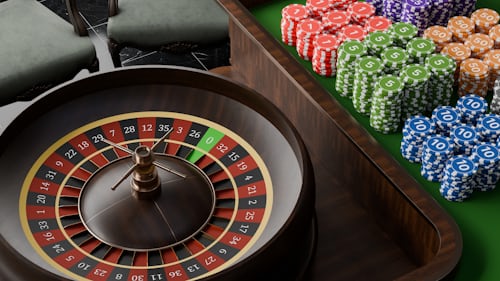
Conversely, a less vibrant environment can dampen spirits and create a sense of hopelessness. Players in a gloomy or quiet setting may feel less inclined to take risks, perceiving their chances of winning as diminished. Research supports the notion that emotional states influenced by one’s environment can have tangible effects on decision-making and risk tolerance. When players are surrounded by positivity, they are more likely to engage with the games in a confident manner, attributing their behavior to the luck that seems to permeate the atmosphere.
Understanding the impact of environmental factors on one’s perception of luck can empower players to seek out conditions that enhance their gambling experience. Whether opting for a bustling casino filled with excitement or choosing a calmer online platform, recognizing these external influences is a crucial step in navigating the complexities of luck in the gambling world. Creating a supportive and stimulating environment can significantly enhance the overall enjoyment and potential success of a gaming experience.
Final Thoughts on Luck and Casino Success
As players navigate the captivating world of casinos, it becomes essential to appreciate the multifaceted nature of luck and its interplay with other elements such as skill and psychology. While luck is undeniably a crucial factor in determining outcomes, it should not overshadow the importance of strategy and informed decision-making. A balanced approach that embraces both the thrill of luck and the discipline of skill can lead to a more sustainable and rewarding gambling experience.
Ultimately, responsible gaming practices remain paramount. Understanding one’s limits, setting boundaries, and prioritizing enjoyment over profit fosters a healthier relationship with gambling. Players who acknowledge the role of luck while remaining proactive in their strategies are more likely to find satisfaction in their gaming endeavors, regardless of immediate outcomes. This holistic perspective encourages a more enriching experience, free from the stress of chasing losses or relying solely on chance.
For those seeking further insights into the complexities surrounding luck and gambling, exploring informative online resources can provide valuable knowledge and community support. Engaging with others who have shared experiences can enhance understanding and offer diverse perspectives on navigating the unpredictable journey of casino gaming. By fostering a deeper comprehension of luck and its implications, players can approach their gaming adventures with greater confidence and enjoyment.